Co-WAM
Co-designing nature-based solutions in West African mangroves
Co-designing nature-based solutions in West African mangroves
Co-WAM is an interdisciplinary research project working with communities to envisage resilient coastal futures.
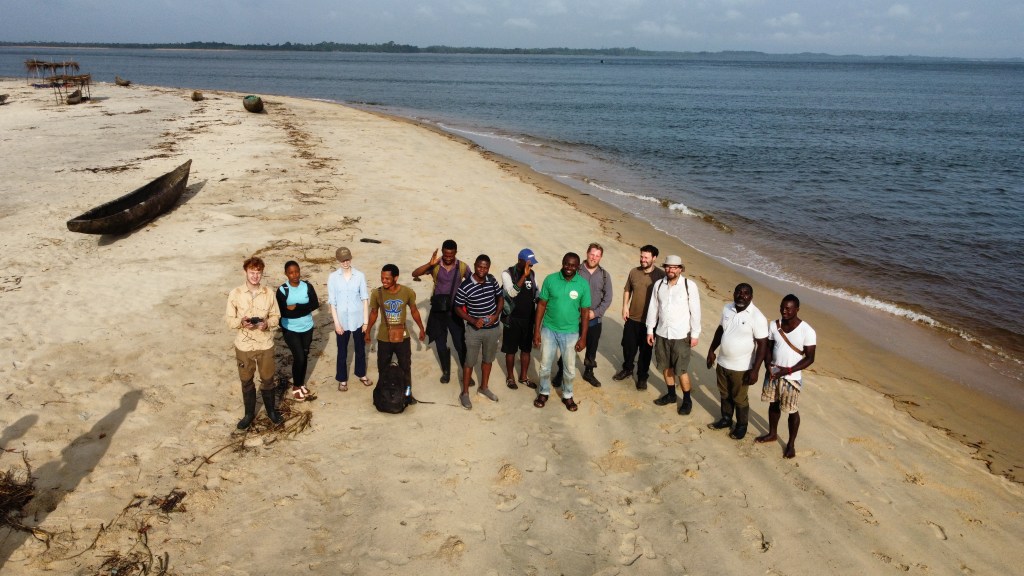
Project summary
Communities living near coasts are increasingly at risk from coastal flooding as climate change raises sea-levels and causes storms to occur more frequently. Mangrove forests can help protect communities from this threat, as they reduce the energy of waves and storm surges, and trap sediment to help coasts keep pace with rising sea levels.
Despite their benefit, a third of mangroves in West Africa have been lost since 1980. Communities rely on their wood for activities such as fish smoking, while there are pressures to use the land the grow on for housing and farming.
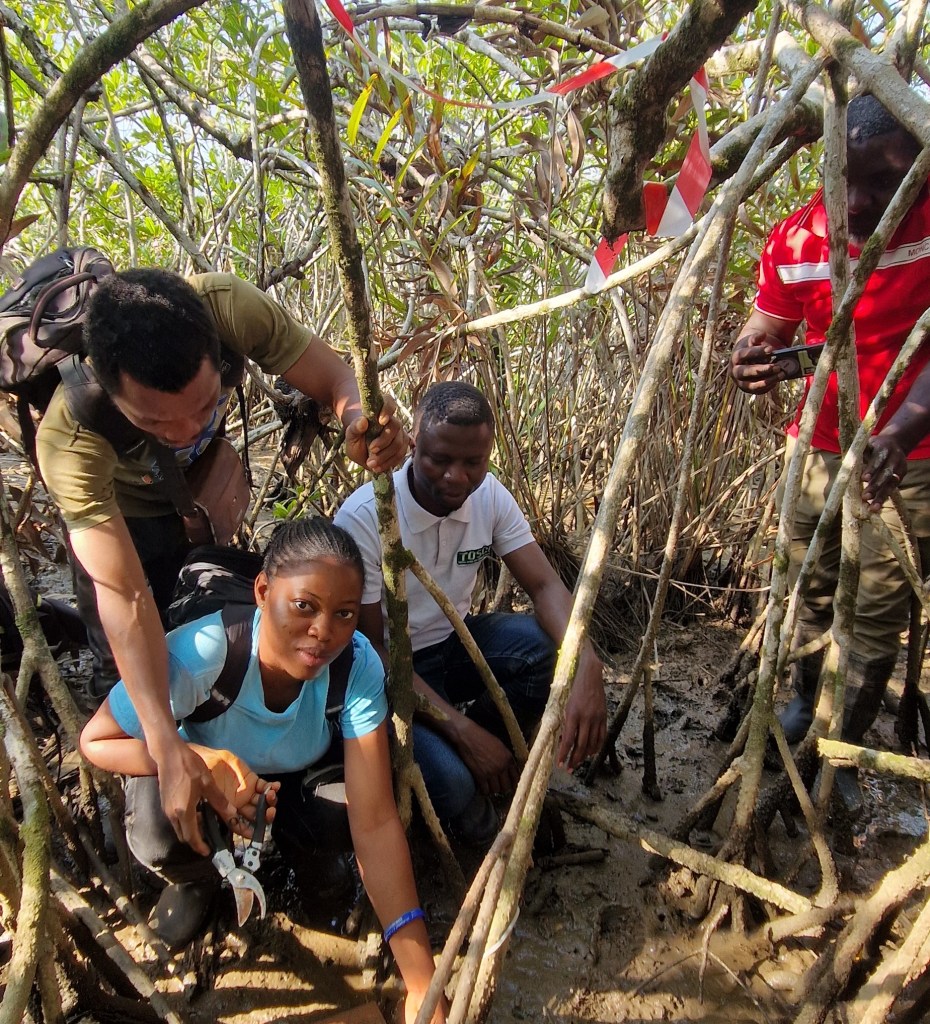
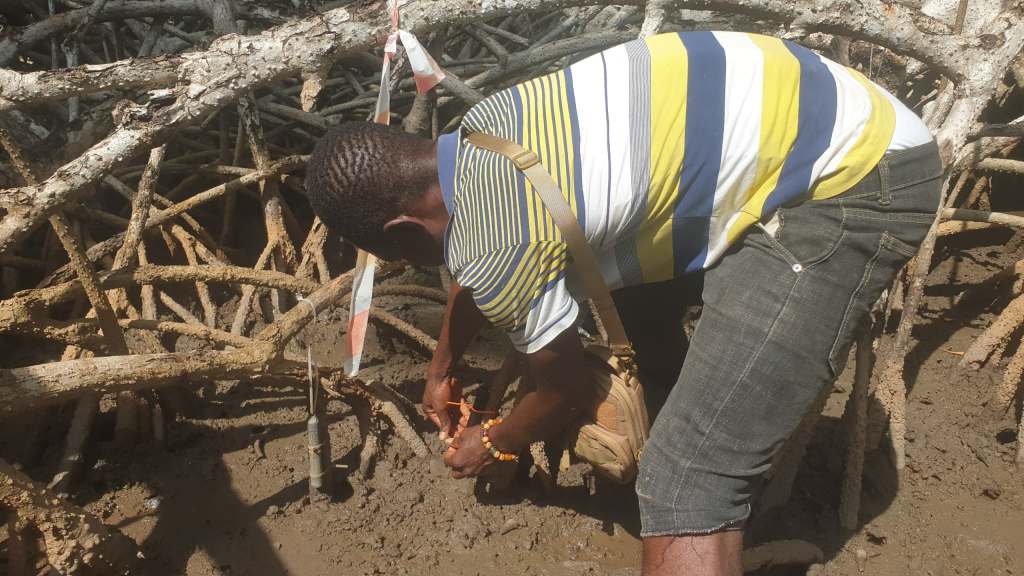
Co-WAM is working with coastal communities to understand how they use and value mangroves, and measuring how mangroves left by different disturbances function to store carbon and protect communities.
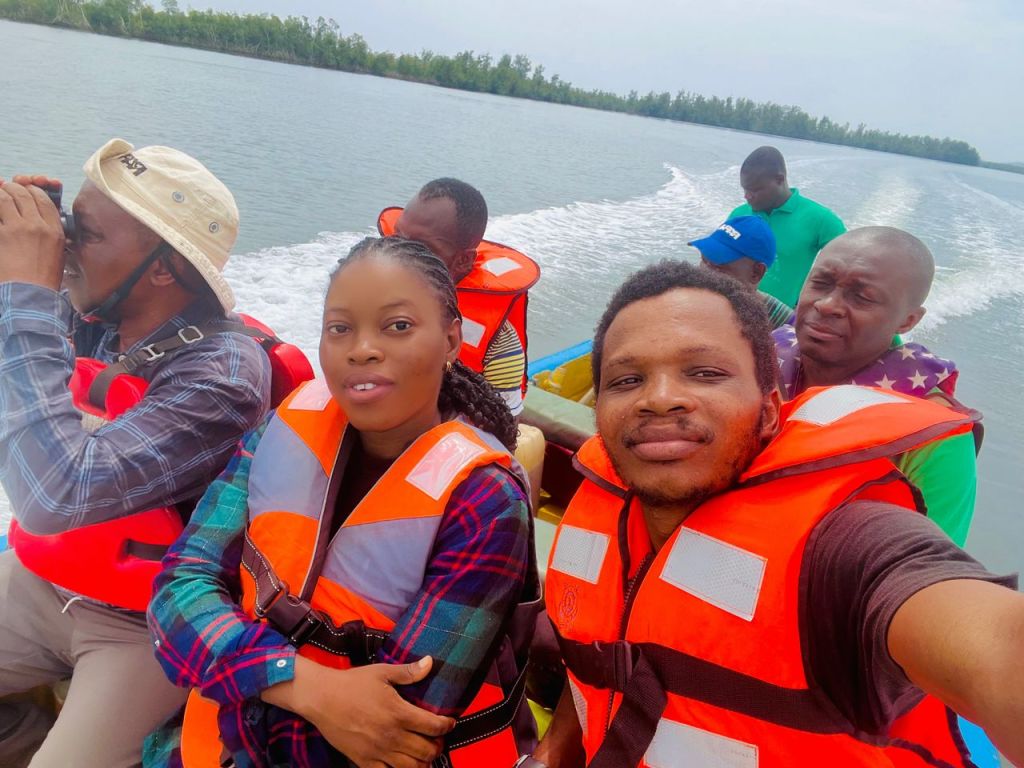
We are working in Guinea, Liberia and Sierra Leone, to explore these questions in different estuary and socio-economic contexts. By learning about mangroves, and learning from coastal communities, we aim to co-design future scenarios for protecting and restoring mangroves in West Africa.
Co-WAM runs until 2027, and is funded by UK Research and Innovation and the Foreign, Commonwealth and Development Office.
Co-WAM is led by Manchester Metropolitan University, and also involves Njala University, the University of Lincoln, University of Manchester, Norwegian University of Life Scientists, Reptiles and Amphibians Program Sierra Leone, Guineé Ecologie and Greenlife West Africa.
Our project
3
countries
6
estuaries
>10
community researchers
3
years
This project is supported by UK Research and Innovation Building a Green Future strategic theme, Building a Secure and Resilient World strategic theme, Natural Environment Research Council, and the Foreign Commonwealth and Development Office.
